"For now, the good news is that gas prices typically reach their yearly peak around April 10, so we may have already witnessed 'peak pain' at the pump for 2025. "
⛽ "While the national average price of gasoline saw its largest weekly gain of the year, it likely won’t last long, as oil prices have plummeted amid growing concerns about the global economy..." says petroleum analyst Patrick DeHaan with GasBuddy price reports.
"As we head into April, Americans should expect gas prices to rise, with a peak that could occur in mid-to-late April. While average prices remain well below last year's levels, we’ll likely begin to catch up, with prices expected to increase in most— if not all—states over the next few weeks.
⛽️ "...this decline shouldn't necessarily be celebrated, as it comes with strong warning signs. When the economy slows, gasoline demand drops— along with demand for other refined products like diesel and jet fuel. We've already seen some signals that the months ahead could be challenging."
"The average price of gasoline in the U.S. hasn't been this low in March since 2021, when the pandemic significantly reduced demand and kept prices suppressed" says petroleum analyst Patrick DeHaan.
⛽ According to GasBuddy price reports, the cheapest station in Wyoming was priced at $2.39/g yesterday while the most expensive was $3.69/g, a difference of $1.30/g.
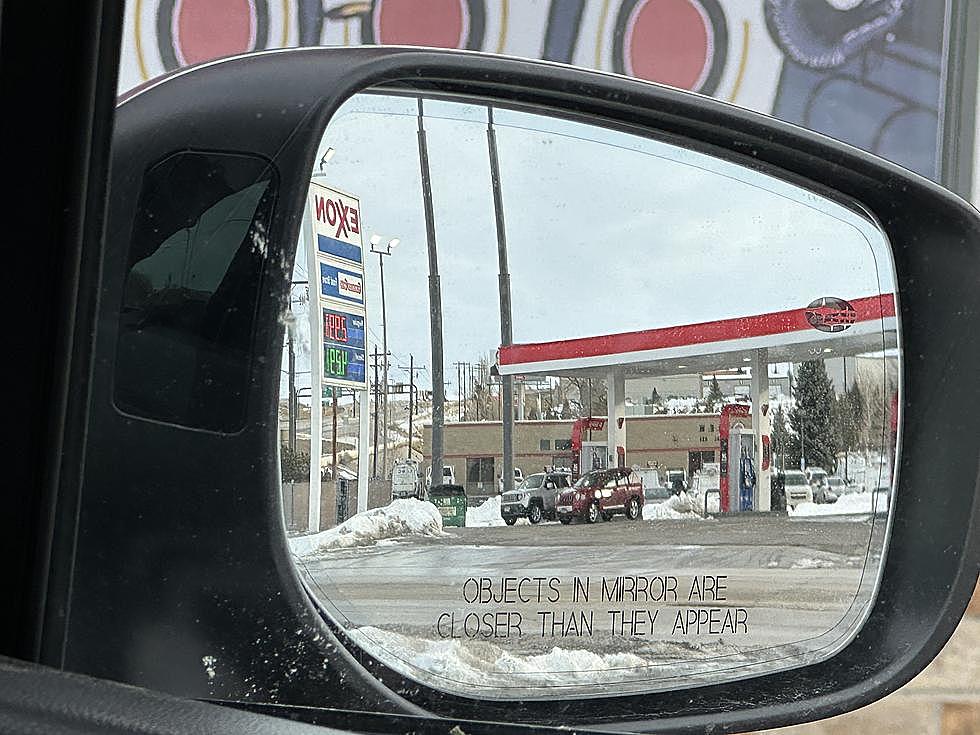
⛽ The cheapest gas in Casper is priced at $2.61/g at the Exxon on 400 Valley Drive. The national average is unchanged from a month ago and stands 16.5 cents per gallon lower than a year ago.
"While, on paper, tariffs on Canadian energy could have a significant impact on fuel prices, a prolonged trade war could weaken global economies, reducing demand and partially offsetting the effects of tariffs. For now, I expect a slow but modest impact on fuel prices, particularly in the Great Lakes, Midwest, Rockies, and Northeast U.S.— all markets that rely heavily on Canadian crude oil or refined product imports from Canada" says petroleum analyst Patrick DeHaan.
⛽ "As we approach the February 1 deadline for potential U.S. tariffs on Canada and Mexico— key sources of crude oil imports— we'll be monitoring for any potential impact, including the possibility of retaliatory tariffs"says petroleum analyst Patrick DeHaan.